
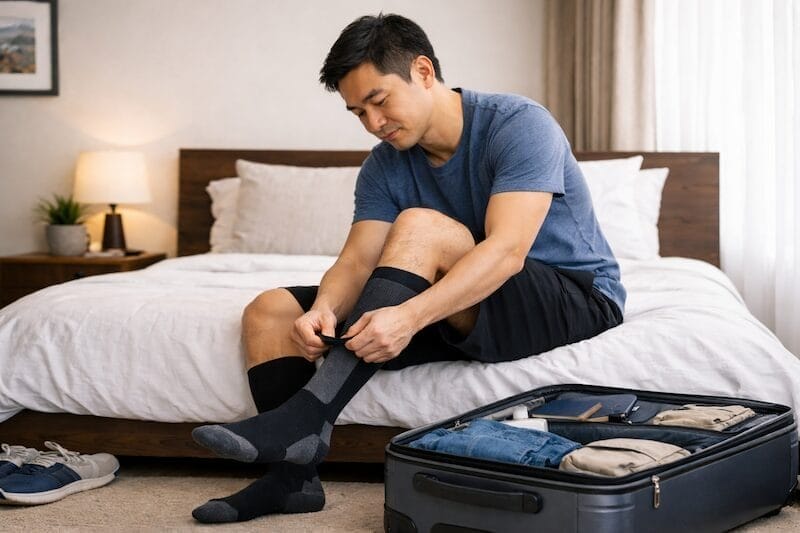
Long haul flights are hard on your body, even when everything else about the trip is dialed in. Hours of sitting, cabin pressure, dehydration, and limited movement can lead to swelling, stiffness, and heavy legs that linger long after you land. After dozens of long flights, I have learned that one of the simplest ways to arrive feeling better is choosing the right gear, starting with the best compression socks for flying long haul. The right pair improves circulation, reduces swelling, and makes a real difference in how you feel at the end of a long travel day. These six picks focus on comfort, support, and real-world travel performance, not hype.



How to Choose the Best Compression Socks for Flying Long Haul
Not all compression socks are created equal, and the best choice depends on how your body responds to long flights. For most travelers, moderate graduated compression offers the right balance of support and comfort.
Compression levels explained
Compression socks are measured in mmHg, which indicates how much pressure they apply.
15–20 mmHg
This is the sweet spot for long haul travel. It helps improve circulation, reduce swelling, and prevent heavy legs without feeling restrictive. Most travelers flying economy or premium economy do best here.
20–30 mmHg
This firmer compression is better for travelers who already know they benefit from stronger support, such as people prone to significant swelling or those advised by a medical professional. These socks are harder to put on and not ideal for first-time users.
For flying long haul, knee-high socks are the most effective. They support the lower legs where swelling tends to build during long periods of sitting.
When and How to Wear Compression Socks on Long Flights
Timing matters more than most people realize.
Put your compression socks on before boarding, not mid-flight. This helps support circulation from the start and can reduce swelling before it begins.
Keep them on through landing and for a few hours afterward, especially on flights longer than eight hours. Swelling often peaks after you stand up and start moving again.
If you’re connecting to another long flight the same day, keep them on between flights.
Who Benefits Most From Compression Socks When Flying
Compression socks can help nearly any long haul traveler, but they’re especially useful if you:
- Experience swollen feet or ankles after flights
- Feel leg heaviness or stiffness after sitting for long periods
- Fly long haul regularly
- Sit in economy or premium economy with limited legroom
- Are pregnant or postpartum
- Have a history of circulation issues and have been advised by a doctor
If you’ve never worn compression socks before, start with moderate compression and wear them on a shorter flight first.
Pack Better’s Ranking of Best Compression Socks for Travel
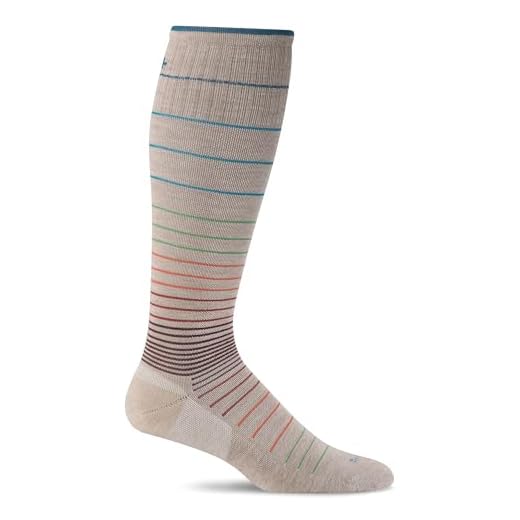
Sockwell Women’s Graduated Compression Socks
The merino wool blend helps regulate temperature in dry airplane cabins, keeping feet warm without overheating. They’re also easier to put on than many compression socks, which makes a difference early in the morning or during rushed travel days. Style-wise, they look like normal socks, not medical gear.
Best for: travelers who prioritize comfort and plan to wear compression socks beyond the flight.

Sockwell Women’s Graduated Compression Socks
They hold up well over time and maintain their shape after repeated washes, which makes them a smart choice for frequent travelers. Like other Sockwell styles, they balance function with a clean, wearable look.
Best for: frequent flyers who want a reliable compression sock they can wear trip after trip.
Graduated Compression Socks for All
They provide noticeable arch and heel support, though the fit can feel tight if sizing is off. They’re functional rather than luxurious, but effective.
Best for: occasional travelers or first-time compression sock users on a budget.
Physix Gear Compression Socks 20-30 mmHg
They’re well-made and comfortable when sized correctly, but they’re not the easiest to put on. If you’re new to compression socks, this level may feel too strong.
Best for: experienced compression sock users who need stronger support on long haul flights.
CHARMKING Compression Socks
They may feel tight at first, but many travelers find they loosen slightly while still maintaining compression. Style options are limited, but performance is solid.
Best for: travelers who want multiple reliable pairs for long trips or frequent flying.
BOMBAS Graduated Compression Socks
They offer effective support for long flights, though the fit can feel snug if you’re between sizes. Compression is noticeable but not medical-grade.
Best for: travelers who want lightweight, breathable compression that feels more like a regular sock.
Common Mistakes Travelers Make With Compression Socks
Choosing compression that’s too strong
It’s easy to assume more compression equals better results, but that’s rarely true for flying. Higher compression levels can feel restrictive, especially if you’re sitting for hours in a cramped seat. If socks are uncomfortable or difficult to wear, most travelers end up taking them off mid-flight, which defeats the purpose. For long haul flights, moderate compression usually provides enough circulation support without making your legs feel trapped.
Wearing the wrong size
Compression socks rely on precise fit to work properly. When they’re too small, they can dig in behind the knees or bunch around the ankles, cutting off circulation instead of improving it. When they’re too big, they slide down and lose effectiveness. Measuring your ankle and calf before buying and following the brand’s size chart makes a noticeable difference in comfort and performance.
Putting them on too late
Many travelers wait until they’re already in the air to put on compression socks, but by then swelling may have already started. Compression works best when it supports circulation from the beginning of the travel day. Putting them on before boarding helps reduce fluid buildup before it becomes uncomfortable.
Taking them off too soon
Swelling often peaks after landing, not during the flight. Removing compression socks immediately after touchdown can lead to stiff, heavy legs once you start walking through the airport. Keeping them on for a few hours after landing helps your body adjust more comfortably.
Assuming one pair works for every trip
A sock that feels fine on a five-hour flight may not be comfortable on a fourteen-hour journey. Longer flights, tighter seating, and overnight travel can change how your body responds. Many frequent travelers keep one moderate pair for most flights and a slightly firmer option for especially long routes.
Compression socks only work if you actually wear them. That’s why the best compression socks for flying long haul aren’t necessarily the strongest or most expensive, they’re the ones that feel comfortable enough to stay on from boarding to baggage claim. Prioritize moderate compression, proper sizing, and breathable materials, and you’ll arrive feeling noticeably better than you would without them.


Where can I find these in local stores? Online shopping isn’t my fave. 😅
I’ve tried a few brands, and compression really helps with swelling. 🙌
Seriously considering trying these for my next adventure! 🌍✈️
I can’t believe I survived travel without compression socks before! 😂
Love that you included options for different budgets! 💰
Does anyone know if these work for road trips too? 🚗💨
These socks are a game changer for long flights! 🛫