
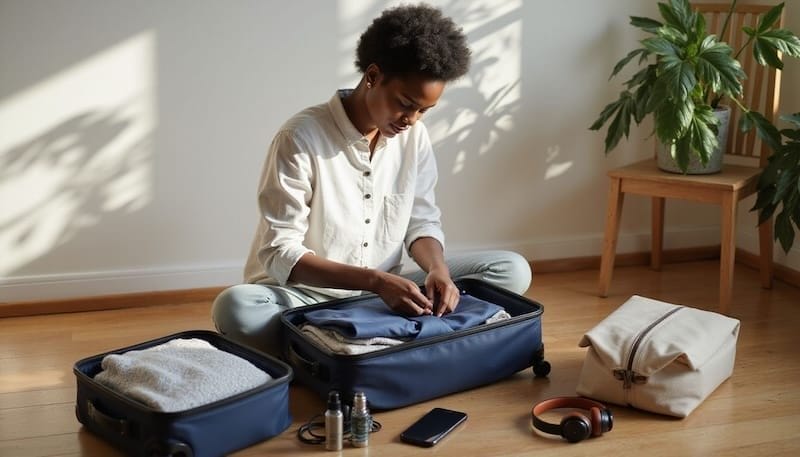
Ever notice how some travelers manage one or two weeks with just a carry-on? No checked bags. No waiting at baggage claim. They grab their suitcase and go, while the rest of us are staring at a pile of clothes wondering if five pairs of jeans is excessive.
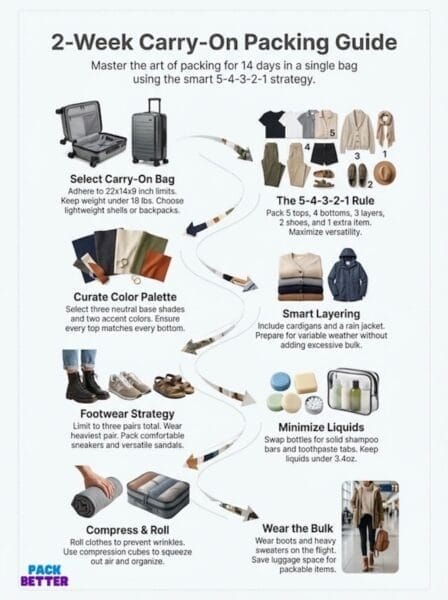
The good news is, packing for two weeks in a carry-on is completely doable with the right approach. One strategy that makes this easier is the 5-4-3-2-1 rule: five tops, four bottoms, three layers, two pairs of shoes, and one extra item. It creates enough outfit variety without overpacking or wasting space.
In this article, I’ll walk you through exactly how to pack light for two weeks using a carry-on only. You’ll learn how to choose luggage that actually fits in overhead bins, build a simple capsule wardrobe, use smart space-saving techniques, and stay within airline size and weight limits without sacrificing comfort or options.
Choosing the Right Carry-On Bag
Your carry-on sets the limits for everything else you pack. If the bag is too big, too heavy, or poorly designed, packing light becomes harder than it needs to be.
What size and weight limits should your carry-on meet?
Most U.S. airlines allow carry-on bags up to 22 x 14 x 9 inches, including wheels and handles. That’s the baseline you should plan around if you want to avoid gate checks or last-minute stress.
Where travelers get tripped up is weight. Many domestic flights don’t enforce carry-on weight limits, but international and partner airlines often do. Limits commonly fall between 15 and 22 pounds, which means the empty weight of your bag matters more than people realize.
A lighter carry-on gives you more flexibility to pack clothing, shoes, and toiletries without creeping over the limit. Before you travel, weigh your packed bag at home. It’s the easiest way to avoid surprise fees or having to reshuffle items at the airport.
Which bag features actually make packing easier?
Organization matters more than extra space. A well-designed carry-on helps you see what you packed and access it without unpacking everything.
Look for:
- Defined compartments to separate clothes, shoes, and toiletries
- Strong zippers that don’t catch or split when the bag is full
- Interior dividers or compression panels that keep items from shifting
- Exterior pockets for quick-access items like chargers or documents
The goal is simple: everything should have a place. When you can open your bag and immediately see where things are, you’re less likely to overpack or lose track of what you brought.


Key Packing Strategies
Packing light isn’t about forcing everything into a tight space. It’s about making intentional choices so your bag works for you instead of against you.
What is the 5-4-3-2-1 rule for packing clothing?
The 5-4-3-2-1 rule is a practical framework for packing two weeks in a carry-on without sacrificing outfit variety.
Here’s how it works:
- Five tops: Choose simple pieces that can layer and mix easily
- Four bottoms: Stick to styles that work for multiple settings
- Three layers: Lightweight options you can stack for warmth or remove easily
- Two pairs of shoes: One comfortable walking pair, one versatile alternative
- One extra item: Something trip-specific, like a dress, swimsuit, or special activity piece
This rule forces you to think in outfits instead of individual items. When every piece works with at least two or three others, you create multiple looks without adding bulk.
It also builds in a natural laundry rhythm. With this setup, you can comfortably get through several days before washing, which is exactly what makes packing light for two weeks realistic.
Build a Cohesive Color Palette That Actually Works
Packing light gets much easier when your clothes all work together. Instead of thinking in outfits, think in colors.
Start with two or three core colors that form the base of your wardrobe. Neutral shades tend to work best because they mix easily and hide wear. From there, add one or two accent colors you genuinely enjoy wearing. These can show up in tops, scarves, or accessories.
The goal is simple: almost every top should work with almost every bottom. When that’s true, getting dressed on the road takes seconds, not thought. This matters more than people expect, especially on early mornings or busy sightseeing days.
Use accessories to create variety. A scarf, belt, or lightweight layer can change the feel of an outfit without adding bulk to your bag. Mixing light and dark pieces also helps outfits feel intentional without requiring extra items.

Plan Layers for Temperature Swings, Not Just the Weather Forecast
Two-week trips almost always involve changing temperatures. Flights are cold, cities heat up midday, evenings cool down, and weather forecasts are rarely perfect.
Pack three lightweight layers that stack easily:
- One soft layer for warmth
- One versatile layer that works indoors or outdoors
- One thin outer layer for wind or light rain
These layers should work across multiple outfits, not just one. If a piece only works with a single outfit, it’s not earning its place.
Choose fabrics that feel comfortable against your skin and won’t feel heavy when layered. A single cozy piece worn on the plane can double as loungewear later, which saves space and adds comfort.
Choose Clothing That Matches How You’ll Actually Travel
When packing for two weeks, versatility matters more than variety.
Tops
Pack tops that work for daytime walking and evening plans without needing a full outfit change. Focus on breathable fabrics, simple cuts, and colors that layer well. Include at least one option that feels slightly more polished so you’re covered for dinners, museums, or spontaneous plans.
Bottoms
Bottoms should handle long walking days and still feel appropriate in public spaces. Aim for pieces that don’t wrinkle easily and feel comfortable after hours of wear. One structured option paired with softer, more casual pieces gives you flexibility without overpacking.
Dresses and One-Piece Items
If you enjoy wearing them, dresses and jumpsuits can be efficient because they create a full outfit with one item. Choose styles that can be layered and worn more than once without feeling repetitive.
Pack Outerwear With Purpose
Outerwear doesn’t need to be bulky to be effective.
Bring pieces that:
- Layer easily
- Work across multiple outfits
- Pack flat or compress well
A lightweight rain layer is often worth including, even if rain isn’t guaranteed. It takes up little space and solves multiple problems, from unexpected showers to wind on cooler days.
Scarves are one of the most efficient travel layers. They add warmth, change the look of outfits, and take up almost no room.
Limit Shoes Without Sacrificing Comfort
Shoes are where carry-on packing falls apart fastest.
For most travelers, two pairs is the limit:
- One pair built for long walking days
- One lighter or dressier option that still feels comfortable
Wear the bulkier pair while traveling to save space. Before your trip, test your walking shoes with a long day at home. If they don’t feel good after hours on your feet, they won’t feel better abroad.
Stick to neutral colors so your shoes work with everything you packed.
Pack Toiletries With Intention, Not Habit
Carry-on toiletries work best when you rethink format, not just size.
Stick to solid or low-liquid options where possible to avoid leaks and security issues. Bars, sticks, tablets, and sheets save space and reduce mess.
Choose multi-purpose items that replace two or three separate products. One good moisturizer, for example, can often handle face, hands, and dry skin.
Everything should fit comfortably in a single quart-size bag. If it doesn’t, you’ve packed too much.
Keep Grooming and Beauty Minimal but Functional
The goal isn’t to skip grooming, it’s to simplify it.
Pack items that:
- Help you feel clean and comfortable
- Solve common travel issues like blisters or breakouts
- Don’t require special storage or tools
If an item only serves a narrow purpose or duplicates something else, it’s likely unnecessary. Stick to what you use consistently at home, just in smaller or simpler forms.
Use Accessories to Add Function, Not Just Style
Accessories earn their place when they solve problems.
A few well-chosen items can:
- Change the look of outfits
- Make daily carry easier
- Add flexibility without bulk
Focus on items that fold flat, serve multiple purposes, or improve day-to-day movement. Skip anything that’s purely decorative unless it’s extremely lightweight.
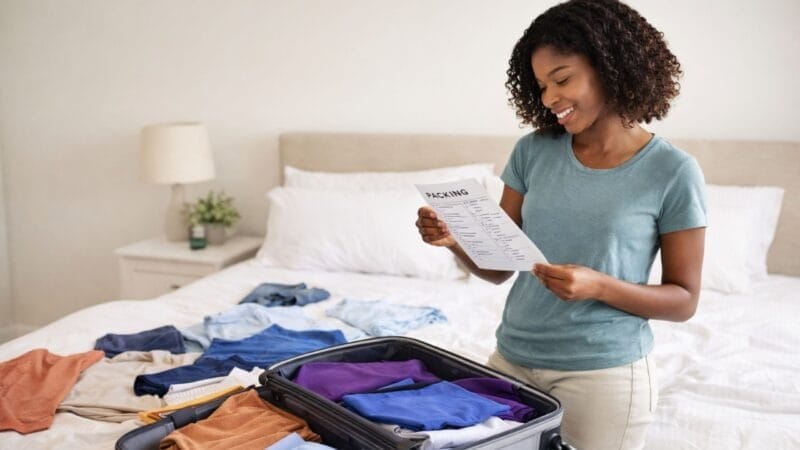
Plan for Laundry So You Can Pack Less Without Stress
Packing for two weeks in a carry-on only works if you stop thinking of laundry as a failure and start treating it as part of the plan.
You don’t need to do laundry constantly. Most travelers only need one or two light laundry sessions over a two-week trip. That’s it. Once you accept that, packing light becomes realistic instead of restrictive.
How often you’ll actually do laundry
With a capsule wardrobe and the 5-4-3-2-1 framework, you can comfortably go five to seven days before washing anything. That window works well for most itineraries and aligns naturally with hotel stays, slower travel days, or mid-trip resets.
Laundry usually happens:
- Midway through the trip
- On a rest day
- In the evening while winding down
You’re not losing travel time. You’re trading 30 minutes of laundry for days of lighter luggage and easier movement.
What to wash and what to rewear
Not everything needs washing after one wear.
Items that typically need frequent washing:
- Underwear
- Socks
- Activewear
Items that can often be reworn:
- Jeans or structured pants
- Cardigans and light layers
- Dresses worn for a few hours
- Travel-day outfits
Choosing fabrics that don’t hold odor or wrinkles makes rewearing easier and more comfortable. This is one of the quiet advantages of packing fewer, better pieces.
Easy laundry options while traveling
You don’t need access to a full laundry room to make this work.
Hand-washing a few small items in a sink is often enough to reset your wardrobe. Lightweight fabrics dry overnight when laid flat or hung near airflow. Many travelers plan to wash only underwear and tops this way.
For longer stays, laundromats and hotel laundry services are easy to use and often faster than expected. One load can refresh your entire rotation and give you another week of clean clothes.
How laundry supports packing light
Laundry isn’t just a necessity, it’s what allows you to pack fewer items without sacrificing comfort or hygiene. When you know you have a plan, you stop packing “just in case” pieces that rarely get worn.
That’s the difference between forcing a carry-on to work and making it work smoothly.
Use Space-Saving Techniques That Actually Help
Packing light for two weeks only works if your clothes are packed with intention. The goal isn’t to cram items in. It’s to reduce wasted air and keep everything accessible once you’re on the road.
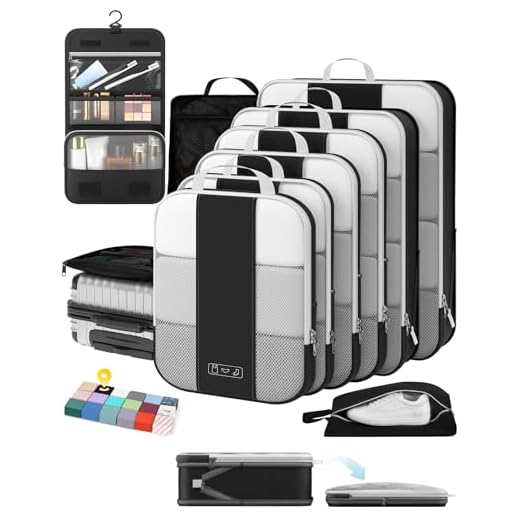
Rolling clothes instead of folding them helps in two ways. First, it minimizes creases, especially in soft fabrics like T-shirts, knits, and casual pants. Second, rolled items create flexible shapes that fit together more efficiently than flat stacks. You can tuck rolled pieces into corners and along edges of your bag where folded clothing would leave empty gaps.
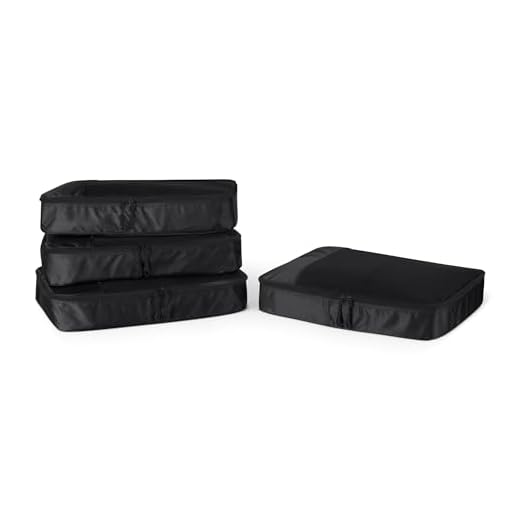
Compression techniques are most effective for softer items like tops, sleepwear, and sweaters. These items trap a lot of air, which is what makes a bag feel full long before it’s actually heavy. Compressing them reduces volume without damaging the fabric. Stiffer items like jeans or jackets don’t benefit as much and can actually become harder to pack if over-compressed.
Organization matters just as much as saving space. Grouping similar items together means you can open your bag and grab what you need without pulling everything out. When clothes are organized by type or use, your bag stays neat for the entire trip, not just the first day. This makes a bigger difference than people expect, especially when you’re moving between hotels or packing up early in the morning.

Wear the Bulkiest Items on Travel Days
One of the easiest ways to make a carry-on work for two weeks is deciding what goes on you instead of into your bag.
Bulky items take up disproportionate space, even when they’re lightweight. Shoes, sweaters, structured pants, and jackets can quickly crowd out the rest of your packing. Wearing these items during travel instantly frees up room and makes your bag easier to close.
On flight days, wear your heaviest shoes, usually your walking pair. This not only saves space but also ensures your most comfortable shoes are already broken in and ready for long days. Layer your clothing so you can adjust as temperatures change, especially in airports and cabins that tend to run cold.
This strategy also adds flexibility. If you get warm, layers can come off and be draped over a bag or worn loosely. If you’re cold, you’re already prepared. The key is choosing travel-day clothing that feels comfortable for hours, not just looks good.
Use Your Personal Item Strategically
Your personal item isn’t extra storage, it’s functional space. When used well, it makes carry-on-only travel far more comfortable.
This bag should hold everything you’ll want access to during transit. Important documents, electronics, chargers, medications, snacks, and anything that helps you stay comfortable during the flight belong here. Keeping these items within reach means you won’t be digging through your carry-on at your seat or during security checks.
Avoid stuffing clothing into your personal item unless absolutely necessary. Clothes are better packed tightly in your main bag, while your personal item should stay organized and easy to open. Think of it as your in-flight kit rather than an overflow suitcase.
Once you arrive, your personal item can become your day bag. This eliminates the need to pack an additional bag and keeps you mobile. A bag that works both in transit and on the ground adds versatility without adding weight or bulk, which is exactly the mindset that makes packing light sustainable.
Final Thought
Packing light for two weeks isn’t about restriction. It’s about clarity.
When every item has a purpose, every outfit works together, and your bag stays within limits, travel becomes simpler. You move faster through airports, avoid baggage stress, and spend less time managing stuff and more time enjoying where you are.
If you can pack well for two weeks in a carry-on, you can pack well for almost any trip.
DOWNLOAD your FREE Packing List
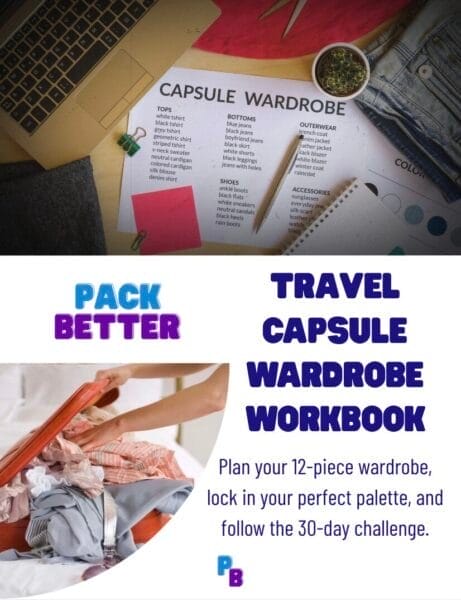
Travel Capsule Wardrobe
Map out your 12 pieces, choose your perfect palette, and follow the 30-day challenge to your dream travel wardrobe.

Love the tip about rolling clothes! It really saves space.
I’m guilty of bringing too many shoes… need to cut down.
Thanks for the great advice! My next trip will be so much easier.
I usually just throw everything in a suitcase, this is a game changer.
Anyone else packing snacks? Can’t travel without them!
I love how you emphasized versatile outfits! So smart.
Packing light is the best way to travel! Can’t wait for my next adventure.
I never thought about packing cubes until now, definitely gonna try it!
The checklist idea is genius! Helps so much with planning.
This article is a lifesaver! I always overpack.